
Telling stories in 3D adds complications in art-direction, framing, and even changes the role of the director. When your audience is free to look around and explore, how do you capture and direct attention? How do you perfectly hit on a poignant moment when you don’t know where the viewer is looking.
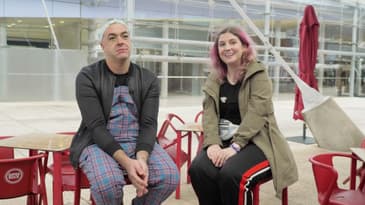
The documentarian’s care shines through clearly in this AR Minute chat with Nathan C, as Rachel describes how Hungry Mantis takes special care to ‘center’ their subjects in her work—both in the VR films and how ‘Mantis’ makes technical decisions that might impact the final experience.
Decisions about how to record and capture live events for VR can trickle down to have major impacts on who can experience her works and how accessible her stories are to the greater public. Videos designed for a leading headset ecosystem might earn marketing and promotional support, but could leave some viewers out of the loop. Overly produced, ultra high resolution files might look great in a museum setting, but could halt and stutter on a home wi-fi connection.
It really seems like Bracker enjoys the creative freedom of this ‘early’ moment in the metaverse, but she’s been in the space long enough to know it’s not all roses and kittens. When asked about her vision for the future of the metaverse she notes that this current moment feels a lot like ‘the Wild West’ era of the internet, where anything felt possible due to a lack of standards and corporate influence.
While that freedom is nice, especially for creators, skeptical new technology users often want a more predictable and protected experience. So astutely Rachel offers “The future is undecided, but ours for the making.” Eventually how the metaverse develops is our responsibility to create—good or bad.
*Hungry Mantis are a beloved part of The AR Minute production team and have been with us from the beginning of the series, helping us tell our story one “Minute” at a time. Thank you Hungry Mantis!