
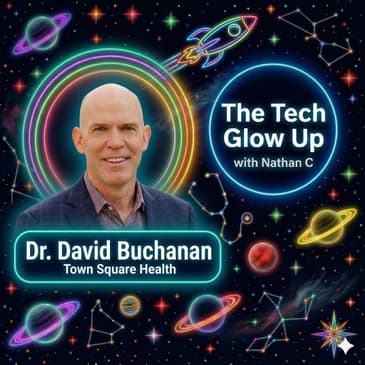

For 25 years, Dr. David Buchanan called quality his hobby. In healthcare, you get paid for volume — not for keeping people healthy. Every hospital admission he prevented, every chronic condition he managed well, was essentially unpaid work. He did it anyway. Then he discovered global capitation, and everything changed.
At Town Square Health, the company David co-founded after eight years as Chief Clinical Officer at Oak Street Health, the business model is built on outcomes. Town Square contracts with insurers to take full financial responsibility for a patient population — so every dollar invested in prevention and primary care comes back as profit instead of overhead.
Quality stopped being a hobby. It became the job.
Key Moments:
- [00:04:48] From hobby to livelihood: how global capitation turned David's 25-year commitment to quality into a viable business model.
- [00:07:32] The data advantage: why capitation contracts plug Town Square into insurance data feeds — so they know when a patient hits the ER before the patient's own PCP does.
- [00:13:10] Give the agents the red tape: how AI reduces a patient's care team to two trusted people by offloading referrals, authorizations, and scheduling to agents in the background.
- [00:15:44] The missing field: there is no standard place in electronic health records for a patient's health goals. Town Square makes it one of the first things they ask.
- [00:17:08] Doctors talking to each other: how telehealth lets Town Square bring a specialist into the room with the PCP and patient together — something fee-for-service has made nearly impossible.
David's philosophy is simple but radical: patients and primary care providers want the same thing. It's the business models sitting in between that have made it hard.
By removing those blockers; through capitation, AI, and a care model built around the patient's stated goals, Town Square is building what David believes will be the most trusting PCP-patient relationships in decades.
Watch the full conversation on YouTube → https://youtu.be/5QqET4VnkVM
Join the Tech Glow Up newsletter on Substack → https://substack.com/@mxnathanc
About Dr. David Buchanan
Dr. David Buchanan guides Town Square Health’s mission to deliver patient-centered, value-based primary and specialty care for Medicare-eligible populations.
A board-certified internist and seasoned healthcare leader, he previously served as Chief Innovation Officer for CVS Healthcare Delivery, Chief Clinical Officer at Oak Street Health, and held senior roles across community health systems and Medicaid initiatives.
Dr. Buchanan earned degrees from MIT and the University of Chicago Pritzker School of Medicine and completed residency training at UCSF.
A "glow up" signifies a positive transformation, reflecting the journey of becoming a better, more successful version of oneself.
At The Tech Glow Up, we humanize the startup and innovation landscape by focusing on the essential aspects of the entrepreneurial journey. Groundbreaking ideas are often ahead of their time, making resilience and perseverance vital for founders and product leaders.
In our podcast, we engage with innovators to discuss their transformative ideas, the challenges they face, and how they create value for future success.
If you're a founder or product leader seeking your own glow up, or a seasoned entrepreneur with stories to share, we invite you to join our guest list via this link.
The Glow Up talks with innovators about their big ideas, how they stay resilient in the face of change and how they find and build the value that will drive their future success.
What is a glow up - you might ask?
Glow up is defined as "a positive transformation, often involving significant changes in appearance, confidence, or lifestyle.
We use "Glow up" to refer to the process of becoming a better version of oneself, more attractive, and more successful.
If you're a founder or a product leader who's looking to have a glow up of your own - or if you're a seasoned entrepreneur who's stories can support others, we'd love to hear from you. Please add you name to the guest list with the link in the show notes.
Each episode will also feature a community spotlight for innovative NGOs, non-proffits, and other organizations that are driving innovation and change in their communities. There's another link in our bio for community groups and sponsors to learn more!
Dr. David Buchanan used to say that quality was his hobby, because in healthcare you don't get paid for quality you get paid for volume. The work that he's doing at Town Square Health has flipped this model on its head. And now Dr. David can report that he gets paid for delivering quality results. Hey, I'm Nathan C. Welcome to the Tech Glow Up. I've talked to hundreds of executives of disruptive technologies and fantastic ideas, and Dr. David Buchanan is probably the first who got really excited about taking on financial responsibility for some of the most difficult patients to support. His whole model isn't based on profits through volume. It's based on profit through result, and he's built the business model and the partnerships that are fulfilling the dream of value-based care built in communities and solving real problems for people. How does this happen? First, he's getting full capitation. Dr. David Buchanan's got 25 years of experience working in safety net situations where he sees what makes a difference and where treatment just falls apart. By taking this financial responsibility for outcomes with patients, this allows David and the team at Town Square Health to invest where they see fit, not where the market has decided. And in this way, they found that investing in primary care. Reducing burdens to getting specialists involved and using AI to take care of the frustrating stuff has really allowed them to make a difference and they're growing. It's been a really big year for Town Square Health. Oh my god. Can you even imagine that in health records today, there isn't a standard field for patient goals, out of the box. Health records aren't built to have a place to record what the patient's health goals are. That changes at Town Square Health, where it's one of the first things that they ask and they bring patients on board for their care. Both for patients and the bottom line, it's a really inspiring story about how doing the right thing and focusing where your experience tells you you should focus, can really make a big innovative difference. Dr. David Buchanan of Town Square Health is gonna blow your mind on the tech Glow Up. We will clap on the count of three one. Two, three. Hello and welcome to the Tech Glow Up. I'm Nathan C, and today I'm talking with David Buchanan, CEO, and co-founder of Town Square Health. David, I am so excited to talk with you today. Thanks for joining me on the Tech Glow Up.
David BuchananIt's a pleasure. Thanks for inviting me.
Nathan COh my goodness. So, CEO and co-founder, can you please introduce the work that you do? Sure. At Town Square Health and maybe. a little bit about what inspired, the creation of, of the idea.
David BuchananSo, I've, I am a primary care physician. Mm-hmm. I'm a general internist. I've been doing primary care for the last 25 years, mostly in the safety net. I was at Cook County Hospital in Chicago and then, at ACOmmunity health center for 10 years as a Chief Medical Officer. And my personal mission is to provide the best primary care ever. Yeah. And, At the, community health center where I worked, we were, in the top percentile in the nation for quality. So, you know, and the nice thing about community health centers is they publish all the results on the internet so you can, you know, download it and rank it and see where you are. but I, during that time, I also, became part of an ACO that was taking, global capitation on Medicaid patients and, we, through that experience, I really learned the power of great primary care plus contracting with the payers for global capitation, because basically, nor I used to tell people before that that quality was my hobby.
Nathan CYeah.
David BuchananBecause in healthcare, you know, I, I would, I called it a hobby because we didn't get paid for it Really? Mm-hmm. You know, sometimes you get tiny bonus payments or something.
Nathan Cokay.
David BuchananBut the way you they paid the bills was with volume.
Nathan CYep.
David BuchananI found that by taking global capitation, I could turn my quality hobby into my job.
Nathan CAmazing. So the tech Glow Up audience maybe doesn't, isn't as familiar on healthcare terms.
David BuchananOkay.
Nathan CCan you dive just a little bit into what capitation is and how that's been a, a, a blocker in those systems today? Sure.
David BuchananI think probably the, the thing that people are familiar with is like Kaiser, Permanente. Kaiser is both an insurance company and they run hospitals and clinics and things like that. Yep. It's not everywhere in the country, but that is probably the longest standing model where someone, is taking financial responsibility for the patient's health and delivering the care. Mm. Now we are not, going to be an insurance company like Kaiser, but we would contract with an insurance company so that instead of the insurance company being responsible for the, the paying the bills and things. We take on that responsibility, the power of that is it allows us to overinvest in prevention and primary care. Mm-hmm. so that someone doesn't get sick in the first place and need to go to the hospital.
Nathan CYeah.
David BuchananNow people are gonna still, you know, unfortunately get cancer, sometimes need a hip replacement. There's lots of expenses in, in, in that that happened no matter what. Mm-hmm. But nobody really wants to get sick from heart failure and go to the hospital. And we have tons of effective treatments that make people. Will stay healthy when they have heart failure. So that's the kind of thing where we, do a lot of visits. Mm-hmm. We really pay attention to whether we're reaching the targets with the right medications and we keep people healthy, and then we can get paid for that as opposed to getting paid for each visit we deliver.
Nathan CGot it. And my assumption is, and it, it sounds like this is included, is that by being, sort of the wraparound around that whole care journey, that like you have the data that you need. Do you have the insights about the patients? That's right. You have those relationships that really allow you, to, to deliver on that promise and, right, like there aren't gaps in your data. That's right. And you control that whole life cycle. Yeah. So what's important at the beginning? Can, you can confirm that it's also still important, along the way.
David BuchananYeah.
Nathan CSo,
David BuchananSo I think normally insurance companies have all the data. They see what's happening with the patients. But they don't have the ability to do anything about it really. Yeah. Or very limited, you know. So to combine the information where, well, the insurance companies always know when someone goes to the hospital.'cause the hospital says, Hey, we wanna get paid. So, you know, they mm-hmm. The first person they tell when someone hits the ER is, Hey, the insurance company by the way, so and so's here.'cause they want to get paid. They won't necessarily call the PCP their primary care provider. Mm-hmm. Because they're like, well maybe we'll tell them, maybe not.
Nathan CYeah.
David BuchananBut,
Nathan Cdoes the pharmacist here at all?
David BuchananSo when you take these global capitation contracts, that. Also connects you into the insurance company's data feeds so that you actually know, oh, they're in the hospital right now. Let's go, come to their bed, figure out what's going on, make sure they get discharged smoothly.
Nathan CYeah.
David BuchananThat kind of thing.
Nathan CThe, clinician as the founder role is one that I'm. Always a little curious about,'cause in some ways, right, like doctors often are leaders running their own teams and practices. but it feels like a very different set of responsibilities that like a CEO has to have, especially like when you're building out new, I guess you're still kind of in the healthcare systems in a very media way. what prompted other than this curiosity, Around, you know, this hobby around quality. Like what prompted that jump into, becoming ACO-founder, CEO doctor?
David BuchananI, I think, you know, my first job, as I said, was at Cook County Hospital. Yeah. And I think when I was a young physician, working on the safety net in Chicago, my worldview was if I was a smart enough physician and I worked hard enough that my patients would do great. Mm-hmm. And I think after eight years there. I realized that even if I worked hard and was, you know, reasonably smart, that the system that the patient was being cared for also impacted whether they did well or not.
Nathan CMm-hmm.
David BuchananAnd there were some things at Cook County that were fantastic. I mean, the trauma service, the ER is world class, but a lot of the other kind of systems of care were not driving to the best quality outcomes.
Nathan CYeah.
David BuchananAnd so that really launched the journey for me of wanting to be an administrator, not because I like pushing paper around or having meetings. Through emails, but just because I realized that's where the work was to improve the processes that were really gonna have the impact on patients across, across the board.
Nathan CYeah.
David Buchanannot everything, probably some things you have to unlearn, but, being a good listener with patience is something patients highly value and mm-hmm.
Nathan CYeah. I just experienced this phenomenon that happens to me sometimes where I get so excited that I completely forgot the, the follow up
Speaker 3Well, I feel like talk more about like the, the transition for you from Oak Street to this. Okay. Because I think that's like, that's sort of a follow up on like how be it like where you really are truly. Provider to more of administrator and now C.
David BuchananYeah.
Speaker 3That's my thoughts.
David BuchananI can do that if you want me to. it's basically a part of my story that's, I left out, you know?
Nathan CSo tell me about, tell me about Oak Street and how that fits into this equation.
David BuchananYeah, so I, after I was at the community health center, and we were starting to take some global capitation on. These Medicare Medicaid patients and we were doing well, that that's when it really clicked that primary care and global capitation payments was a really effective way to pay for great quality care. Yeah. So then I, applied for a job at Oak Street, which was a new startup at the time in Chicago. Mm-hmm. But, but they were really jumping with both feet and saying, we want to do this. Me, so I wanted to go learn from them. worked there for eight years. I was the chief clinical officer, led the medical group, technology team, and co-led the population health team. Yeah, so really involved in the care model development, hard wiring, the Yeah. Workflows through technology, led the data science team built, machine learning models, all these kind of things to, to try to drive great care. We had last year the number one results in the United States in, in ACO reach.
Nathan CYeah.
David Buchananwhich is a program where you can take capitation through, directly through Medicare.
Nathan Ccongrats.
David BuchananI learned a ton, but I also in the end wanted to get back to my roots, which is mm-hmm. Building, great care models. And I think with AI and things that we have now, we can, yeah, we can really even take it to another level after that.
Nathan COh, thank you for that. I. Always advise, when I'm talking with technologies and startups, right? Like, don't let other people be in charge of your success metrics, huh? Right. Like, don't let your success be in the hands of other people. And like as a, as, as a physician, right. Seeing how the s. Them how these broken parts were impacting your ability to drive care. That's right. I just absolutely love, like, well this is, this is part of my work, even though it's not necessarily part of my day job. So I, I love that, that shared perspective. I'm having too much fun getting into the details. I gotta push you on some of the, the more hot button questions.
David BuchananOkay, great. Let's do it.
Nathan CSo the name of the show is The Tech Glow Up.
David BuchananOkay.
Nathan CAnd a Glow Up is a notable transformation.
David BuchananOkay.
Nathan CWhat's. The transformation or major improvement you wanna see in healthcare in 2026?
David Buchananthe obvious, answer would be ai.'cause that's, I think, and that is part of the answer.
Nathan CMm-hmm.
David Buchananwhat I believe we can do at Town Square Health have the biggest impact is build even more trusting relationships between primary care providers and patients. And that's, you know, it, it probably sounds like that's not new that. Sounds like a 1950s kind of thing, but, but I believe that AI actually unlocks the ability to do that in a new way.
Nathan CHow so?
David Buchananat Oak Street, we built a very effective care model, but it also included a lot of different team members doing a lot of different things for patients. And patients were often handed from one team member to another, and the new person's like, okay, what's your name and your date of birth? And, you know, you're like, I'm glad you're doing that because it's a patient safety thing also, it feels like you have no idea who I am.
Nathan CRight.
David BuchananEach person is doing their own specialized piece of, of, of the work, which is important and you want it to be done well. but also you feel like ACOg, you know, in a machine going through ACOnveyor belt. Mm-hmm. And I think with AI and AI agents, we can actually have the pay. Since only cared for by two people.
Speaker 3Mm-hmm.
David BuchananWho can literally do everything from scheduling appointments, checking them in, providing the care during the visit, and then when they need some more specialized, you know, healthcare bureaucracy done, they can hand off the piece of work to an agent who can authorize the referral.
Nathan CGive the agents the red tape, please.
David BuchananYeah, exactly. And but I think the power on the front end will be, the patient won't necessarily see all the AI happening. Mm-hmm. But what they will notice is they're not being handed off to another person. They're, they're working one person through the whole visit. That person seems to be super human'cause they can do all these things mm-hmm. That normally, you know, require a special person, to carry it out.
Nathan CPerson who earned the trust.
David BuchananSo that's getting back to the big change, which is I think we can create at Town Square Health the deepest, most trusting relationships between PCPs and patients, you know, that anyone's been able to accomplish in many decades.
Nathan CSo, David, I love it. The Glow Up that you're looking to see at Town Square Health. do you wanna dive in any more specific. And to how you're building those connections and relationships, with Town Square.
David BuchananYeah, absolutely. So, there are a lot of ways we can do it. Mm-hmm. one way is just to make sure that when people come in, they see the same person, you know? I think, a lot of places it's like, okay, as long as you match a patient and a provider on the schedule, like done, you know, and then whether they know each other, whether there's a relationship, whether there's any knowledge is, you know, well,
Nathan Cthat's a nice setup. It does. Check the boxes. Yeah.
David BuchananJust make sure that you see the same person every time and they know who you are. we also want to do something as I think as revolutionary, even though it's incredibly simple, which is just ask patients what their healthcare goals are and, include that in the planning for their visits. it's something that I always have done with my patients, but I end up having to type it into some weird box that like isn't meant for that. And the. EMR and no one looks at it except for me because it's like hidden in this spot and I use it to remind myself. But we want to have that be something that every single patient gets done when they come in and have what, when we do, for example, use AI agents to do work, that's part of the context, we would feed to the AI agents so they understand like what we're trying to accomplish here.
Nathan COh
David Buchananmy God. From a patient's perspective,
Nathan Cthere's not a field in health record standard that says. What a patient is looking to get out of this visit. Like, what the heck?
David BuchananI know. It's like, it's like basically we've forgotten that there's a patient here. That's like the, the whole point of it, you
Nathan Cknow, in, in the software that tracks all of the goals, all of the outcomes, all of the data. There is not a standard place for what does the patient want. Oh my gosh. David, we are so close to the end, but I do wanna give you the opportunity, to share a spicy soundbite or hot take. Could be a hot take on ai. Healthcare culture, anything you want. also no pressure.
David BuchananWell, I'll use the chance to, to talk about one other thing that I think is gonna be groundbreaking Yeah. That we're doing, which is, how we're integrating telehealth into the visits. Mm-hmm. So I got to do a lot of telehealth during the pandemic. I learned kind of what is great about it and what, doesn't work, especially with older adults who. A lot of chronic conditions. Mm. So, what does work is if a patient's family member wants to join them in the visit, it's like suddenly, oh, there's your family right there.'cause you're at home and, and your family's there and they're getting integrated into your care and they can often help mm-hmm. And deliver, you know, carry out the plan. We often had no idea what their blood pressure was, what their, you know, diet, diabetes control was.
Speaker 3Mm-hmm.
David BuchananDidn't have any recent blood tests. And so we were, you know, for a very data-driven field. Like internal medicine, it was kind of flying blind. So what we're gonna do is have the patient come into the center, have the PCP also with the patient in the room, and then have the specialist come in through telehealth on the screen and actually have, you know, something my patients have always asked for is I wish my doctors would talk to each other. And, and then we basically say, well, there's this weird thing where in fee for service, you only one of them can get paid. And so they're never in the same room together.
Nathan CMm-hmm.
David Buchananyou feel embarrassed for the health system to be saying this out loud? Yeah. Well, the good thing is with, global capitation is if you don't get paid, so what? Mm-hmm. You know, if it actually works and it makes patients healthier and helps them feel more trusting and the system is taking care of them'cause everyone's communicating, then
Nathan Cyeah,
David Buchananwe just do it.
Nathan CIt's worth it to take care of patients.'cause if you get results, you got results, you should just do it. I love it. David. It's been, such a. delight to learn about you and the work that you've been doing. I love the, the very, like both self-serving and very generous, outcomes of what you've built at, town Square Health and absolutely joking that it's self-serving, right. It gets the blockers out of the way of doctors. Yeah, absolutely. while putting the patients like way more than just first or centered, but like their progress Yeah. As the marker of what everybody's being measured on. So, super cool to. Learn about it. I really appreciate you joining me.
David BuchananYeah.
Nathan COn the tech loho,
David Buchananmy pleasure. I, I think patients and, and, and primary care providers actually want the same thing. It's just been hard to get there.
Nathan Cthere's been all this weird business in the way that we gotta get to. There's one last thing to do.
David BuchananOkay.
Nathan CWe're just gonna clap it out like we clapped it in.
David BuchananAll right.
Nathan C1, 2, 3. Amazing. Thank you.
David BuchananThank you. That was great. So fun.
Nathan CCan I ask you a favor? If you really enjoyed this episode, could you share it on your Instagram stories or maybe post the link with what you enjoyed on LinkedIn? The sort of sharing and engaging really helps small podcasters like me reach the audience that I know really cares about these kinds of conversations. If you've made it this far in the podcast, I really appreciate you. Thanks for listening. Please make sure to like and subscribe so that you never miss an episode of the Tech Glow Up. And hey, can I ask you a favor? If you really enjoyed this episode, could you share it on your Instagram stories or maybe post the link with what you enjoyed on LinkedIn? The sort of sharing and engaging really helps small podcasters like me reach the audience that I know really cares about these kinds of conversations.